


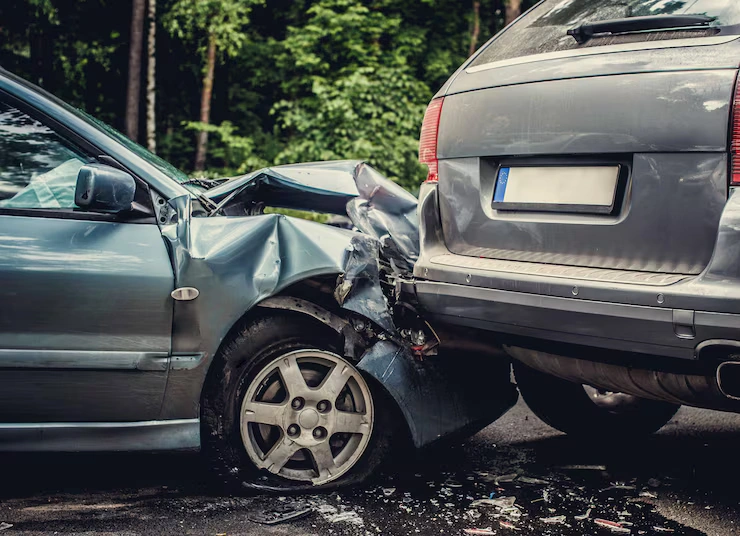
A car crash can turn your day upside down in a matter of seconds. One moment you’re driving to work or picking up your kids from school, and the next you’re dealing with a damaged vehicle, aches you didn’t have an hour ago, and a claims adjuster who’s already calling you. If you’ve been hurt in a collision, a car accident lawyer in Hackensack, NJ can help you understand what your case is actually worth and make sure you don’t sign away your rights before you’ve had a chance to heal. This guide walks through what to do immediately after a crash, how New Jersey’s insurance laws affect your claim, and what typically happens during the settlement process.
Hackensack sits at the intersection of several major roadways — Route 4, Route 17, and the Hackensack River bridges — which means a steady flow of commuter and commercial traffic through the city every day. That volume, combined with congested intersections downtown and near the Bergen County Courthouse, makes Hackensack one of the busier spots in Bergen County for auto collisions.
Common Causes of Car Accidents in Hackensack
Every crash has its own set of facts, but a few patterns show up again and again in Hackensack-area collisions:
- Distracted driving near shopping corridors like Main Street and Anderson Street, where drivers are frequently checking phones or GPS
- Rear-end collisions at heavily trafficked lights along Route 4 and Route 17
- Left-turn accidents at intersections without protected turn signals
- Poor visibility conditions during winter months, when snow and ice narrow lanes and reduce reaction time
- Fatigued or impaired driving, especially during late-night hours near local nightlife areas
Understanding how your crash happened matters because New Jersey follows a modified comparative negligence rule — if you’re found more than 50% at fault, you can’t recover damages, and any fault assigned to you reduces your award proportionally. That’s one of the first things an experienced auto accident lawyer will investigate: not just what happened to you, but how fault will likely be allocated.
What to Do Immediately After a Crash
The steps you take in the minutes and days after a collision can significantly affect the strength of your claim later on.
1. Prioritize Safety and Medical Care
Move to a safe location if possible, and call 911. Even if you feel “fine,” adrenaline often masks injuries like whiplash, soft tissue damage, or concussions that don’t show symptoms for 24–72 hours. Getting checked out immediately creates a medical record that ties your injuries directly to the crash date — something insurance companies scrutinize closely.
2. Document Everything
Take photos of vehicle damage, license plates, road conditions, skid marks, and any visible injuries. Get contact information from witnesses. Request a copy of the police report once it’s filed — it will include the responding officer’s initial assessment of fault.
3. Notify Your Insurance Company
New Jersey requires prompt notice, but be careful about giving a recorded statement to any insurance adjuster — including your own — before speaking with an attorney. Adjusters are trained to ask questions that can be used to minimize your claim later.
4. Avoid Early Settlement Offers
Insurance companies often make a quick, low settlement offer hoping you’ll accept before you realize the full extent of your injuries or lost wages. Once you sign a release, you typically can’t go back for more money even if your condition worsens.
5. Consult a Car Accident Law Firm
Reaching out to a car accident law firm in Hackensack, NJ early on ensures evidence is preserved, deadlines are tracked, and your claim is valued accurately from the start rather than reactively after a lowball offer.
Understanding New Jersey’s No-Fault Insurance System
New Jersey is a no-fault state, meaning your own Personal Injury Protection (PIP) coverage generally pays your initial medical bills and a portion of lost wages regardless of who caused the accident. However, “no-fault” does not mean you can’t sue the at-fault driver — it depends on which insurance policy option you selected:
- Limitation on Lawsuit (Verbal Threshold): You can only sue for pain and suffering if your injury meets a specific legal threshold (e.g., a fracture, permanent injury, or significant disfigurement).
- Unlimited Right to Sue: Allows you to pursue a claim for pain and suffering for any injury, regardless of severity.
This distinction is one of the most misunderstood parts of New Jersey car accident law, and it’s a major reason many injury victims choose not to navigate a claim alone.
How Car Accident Settlements Are Calculated
Settlements aren’t pulled out of thin air — they’re built from several categories of damages:
Economic damages include medical expenses (past and future), lost wages, reduced earning capacity, and property damage. Non-economic damages cover pain and suffering, emotional distress, and loss of enjoyment of life — provided you meet the verbal threshold discussed above.
Insurance adjusters typically evaluate claims using a combination of medical billing totals, treatment duration, and internal software models that estimate a “value range.” An attorney’s job is to push back on lowball estimates by presenting a well-documented file: consistent treatment records, expert opinions when needed, wage-loss documentation, and — in more serious cases — accident reconstruction evidence.
For a broader look at how these numbers actually play out, our breakdown of NJ motor vehicle accident settlements covers real factors that move a case from a lowball offer to fair compensation.
When a Crash Involves a Commercial Vehicle
Not every collision involves two personal vehicles. Crashes involving delivery trucks, box trucks, or company fleet vehicles bring additional layers — corporate insurance policies, employer liability, and sometimes multiple defendants. If your Hackensack accident involved a commercial vehicle, it’s worth reviewing our guide on commercial vehicle accident settlements, since these claims are handled differently than a standard two-car collision.
What If the Accident Wasn’t a Standard Car Crash?
Hackensack’s dense downtown also means pedestrians and rideshare passengers are frequently involved in collisions. If your accident involved an Uber or Lyft vehicle rather than a personal car, the claims process shifts because rideshare companies carry separate commercial policies. Our rideshare accident lawyer Hackensack, NJ page walks through how those claims differ.
Similarly, if your injury happened on someone else’s property rather than on the road — say, in a parking lot after your crash, or in a separate incident entirely — a slip and fall attorney in Hackensack, NJ handles a different set of premises liability rules than an auto accident lawyer would.
The Role of Medical Documentation in Your Claim
One of the most common mistakes injury victims make is gaps in treatment. If you stop seeing a doctor for weeks at a time, insurance companies argue that your injuries weren’t serious enough to warrant continuous care — even if the real reason was scheduling conflicts or financial concerns. Following your doctor’s recommended treatment plan, attending physical therapy consistently, and keeping every appointment strengthens your claim considerably.
In cases where injuries stem not from a crash but from a healthcare provider’s error — for example, a misdiagnosis after your accident led to a worsened condition — that opens a separate potential claim. Our medical malpractice lawyer Hackensack, NJ page explains how those cases are evaluated, and our related guide on medical malpractice settlements breaks down how compensation is calculated in those scenarios.
Why Local Experience Matters
An attorney familiar with Hackensack’s court system, local police departments, and the Bergen County claims environment brings practical advantages: knowing which adjusters tend to lowball claims, understanding how Bergen County juries have historically valued similar injuries, and having existing relationships with local medical providers who understand litigation-related documentation needs.
How Long Do You Have to File a Claim?
New Jersey’s statute of limitations for personal injury claims, including most car accident cases, is generally two years from the date of the accident. Missing this deadline typically bars you from recovering compensation entirely, regardless of how strong your case might have been. That said, certain claims — such as those against a government entity (e.g., if a municipal vehicle was involved) — carry a much shorter notice requirement, sometimes as little as 90 days. This is another reason early legal consultation matters, even if you’re unsure whether you want to pursue a claim.
Working with a Personal Injury Attorney
If you’re navigating a claim in Hackensack, working with a broader personal injury attorney NJ team means your case can be handled holistically — whether it stays a straightforward auto claim or expands to include a related premises liability or malpractice issue discovered during treatment.
Final Thoughts
Recovering from a car accident is rarely just physical. Between insurance calls, missed work, and mounting medical bills, it’s easy to feel like you’re managing a second full-time job on top of healing. Having a car accident lawyer in Hackensack, NJ evaluate your case costs you nothing upfront in most instances, and it ensures you’re not leaving money on the table simply because you didn’t know what your claim was truly worth.
Frequently Asked Questions
How much does it cost to hire a car accident lawyer in Hackensack, NJ?
Most personal injury attorneys, including car accident lawyers, work on a contingency fee basis. This means you pay nothing upfront, and the attorney only collects a fee if they successfully recover compensation on your behalf.
What if the other driver doesn’t have insurance?
New Jersey requires uninsured/underinsured motorist (UM/UIM) coverage as part of standard auto policies. If the at-fault driver is uninsured or underinsured, you may be able to file a claim through your own policy’s UM/UIM coverage.
How long does a car accident settlement take in New Jersey?
Timelines vary widely depending on the complexity of injuries and whether liability is disputed. Straightforward claims may settle within a few months, while cases involving serious injuries or litigation can take a year or more.
Should I accept the insurance company’s first settlement offer?
Generally, no. First offers are often lower than the actual value of your claim, especially before the full extent of your injuries and related costs are known. It’s advisable to consult an attorney before accepting any offer.
What if I was partially at fault for the accident?
Under New Jersey’s modified comparative negligence rule, you can still recover damages as long as you’re found 50% or less at fault, though your compensation will be reduced by your percentage of fault.